Incentivize your field techs. Only pay for results.
Lift first-time fix rates, hit every appointment window, keep technicians on staff, and more.

100+ ANGEL INVESTORS FROM

















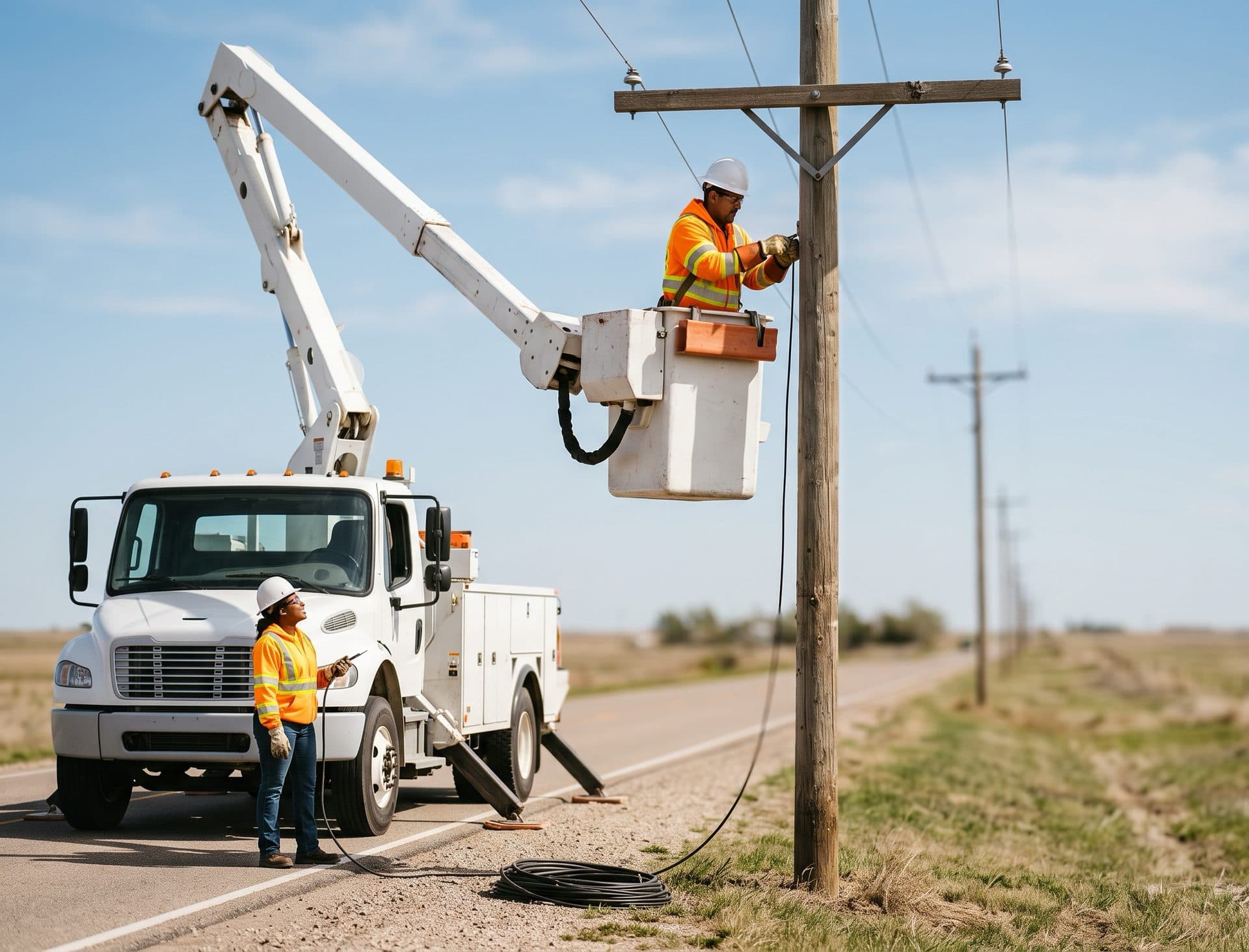
Field service runs on one technician at the customer’s door.
And the technicians who drive those numbers have no incentive to move them.
and so much more….
A campaign for every field service challenge.
Run the ones you need, and only pay when they deliver.
Turn workforce productivity into measurable profit. Only pay when targets are hit.
ExploreConnects to what you already run
Your Data Agent reads live performance out of the systems your teams work in every day, so campaigns run on real operational data, not self-reported numbers.

Field Service FAQ
It is a program that pays technicians for hitting defined operational targets, like a job closed on the first visit, an appointment window hit, or a referral who stays. Jolly runs these as campaigns tied to your real dispatch data, so spend maps to output rather than to a flat monthly bonus.
A flat efficiency bonus pays for volume, and volume is the wrong target in field service. Jolly rewards the outcome you actually want, like the job that does not come back, and it pays close to the moment the work happens rather than at the end of a quarter. Every dollar maps to a result you can point at.
Jolly runs productivity campaigns built on first-time fix rather than jobs closed per day. Rewarding volume alone buys you a second truck roll on the same job, which costs more than the ticket earned. Rewarding the clean close puts the incentive on diagnosis, parts, and preparation, which is where the rate actually moves.
Yes. An arrival inside the window is a clean, countable outcome, which makes it a good campaign. Jolly rewards technicians per window hit rather than paying a flat bonus for a good month, so the cost tracks the on-time arrivals you actually gained.
Jolly incentivizes the work that prevents them, like completed diagnostics, verified repairs, and job notes closed out before the technician leaves the site. Those are the routine steps that slip first when a route runs long, so rewarding their completion is usually the cheapest callback reduction available.
Turnover drops when technicians can see their goals and earn real rewards for hitting them. Jolly runs retention campaigns that reward the milestones where people usually leave, including the apprentice window before someone can run a route alone, and you only pay when retention actually improves.
Yes. Your own technicians know who is good on a route in your market. Jolly reactivates dormant referral programs by rewarding a technician when a referral is hired and stays, usually your fastest and lowest-cost way to fill an open route. You only pay when the hire actually sticks.
Jolly runs scheduling campaigns that reward technicians for taking the calls nobody wants, so coverage stops depending on a dispatcher working down a list at nine at night. You flag the hours that matter most, and staff earn when they take them.
Yes, and it is one of the fastest wins. Documentation is countable and it is what your billing, warranty, and callback analysis all depend on. Jolly rewards the closeout being done on site rather than chased down the next morning.
By never rewarding a low incident count. Jolly incentivizes the leading behaviors instead, like completed vehicle and site checks, finished training, and hazards reported, so raising a problem earns rather than costs. Paying for a clean incident number is the design mistake that makes field work less safe.
Not by default, and we would push back if asked. Paying a technician to sell at the customer’s door is what produces the reviews and the trust problems operators spend years undoing. The campaigns here reward the service outcome. If you do run a sales motion, it belongs on its own targets, not stapled to the repair.
Most likely, yes. Jolly’s Data Agent connects to the systems you already use, including your field service management platform, dispatch software, and HR system, and reads live performance from them. Campaigns run on your real job data, not self-reported numbers.
Yes. Targets are set per branch, so a dense metro route and a rural one with three hours of drive time can run different campaigns at the same time. You see performance side by side and can tell which branches are moving and which need attention.
Yes. Each campaign has defined targets. When a technician hits theirs, points dispatch automatically. When they do not, nothing is paid, so your spend always maps to results you actually got.
Nothing is deducted. Incentives are always upside. Technicians earn more when they perform and there is no penalty when they do not, which keeps engagement high without adding pressure that drives turnover.
Supercharge your workforce.
Performance-based incentives with a return you can actually measure.
Get a demo (opens in a new tab)